
By Jasheen Kaur and Shivom Pandey
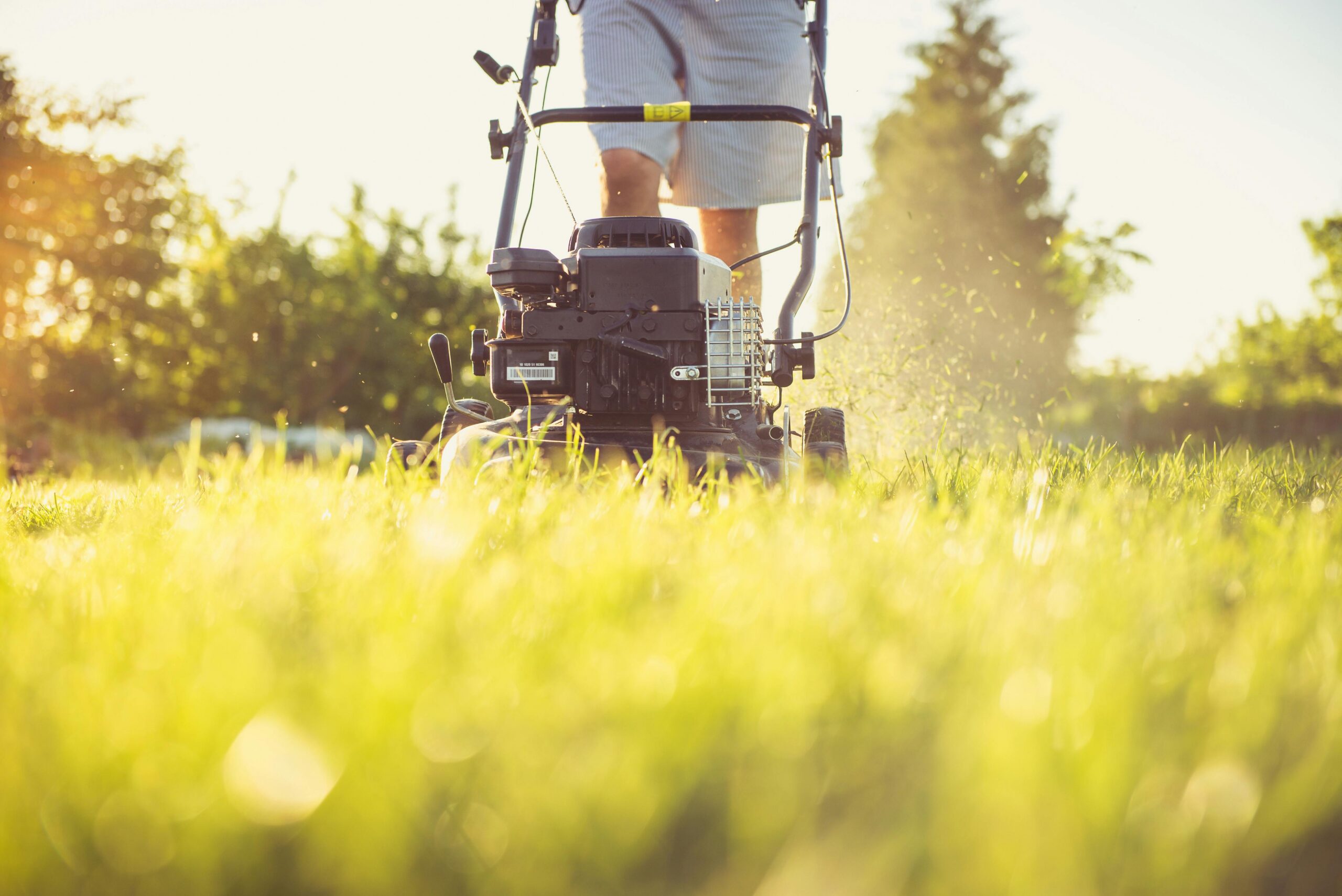
We all know of the ideal American lawn: spring green, clean trimmed, evenly seeded, and blindingly bright in the sun. Unbeknownst to most, the traditional American lawn is quite detrimental to the environment and—just as important— to your pocketbook! In this column, we’ll talk about both negative and positive aspects of lawns, as well as alternatives to the traditional way we plant and maintain them.
The price of traditional lawn care is composed of various factors, costing Americans an estimated $25 billion annually (Lawn Nation, 2020). Mowing, leaf removal, aeration, dethatching, seeding, and others all contribute to the cost of the lawn. The average annual cost for all these factors in total is $3,525 (Healthline Media, 2021); however, this price fluctuates greatly based on care habits. Types of grass also make a difference, with some grasses costing $280 to $400 a month for mowing alone, and others costing $140 to $200 (based on a quarter acre of grass). Beyond finances, we have the issue of water usage. Per year, American lawns use roughly twenty trillion gallons of water. The average American family uses over three hundred gallons of water daily, thirty percent of which goes to outdoor use (United States, Office of Water, 2021).
Now, let’s get our hands dirty. Pesticides, weed killers, and fertilizers are efficient, standard means of maintaining the pristine American lawn, but they come with a cost to the environment. These chemicals are linked to pollution of water bodies, soil degradation, and ecological imbalances. Pesticides alone sicken roughly one hundred thousand Americans and poison sixty to seventy million birds annually (US National Forest Service, D. Pimentel, 1992), not to mention the water runoff full of nitrogen and phosphorus. Fertilizers can cause soil degradation and lead to an increase in nitrogen levels in water bodies. This can lead to the growth of harmful algae and other aquatic plants, which can cause oxygen depletion and kill fish. Improper use of fertilizer wastes billions of dollars a year.
One of our favorite things about Maryland is its nature. Who doesn’t like to see a deer in their backyard every once in a while? Unfortunately, turf grass isn’t the best for native species, decreasing the overall amount of native pollinators in the environment. Biodiverse lawns are a cost-friendly alternative. The installation fee for native vegetation is roughly $2,000 to $4,000 per acre, as opposed to $4,000 to $8,000 for turfgrass. The University of Maryland Extension Service states that tall fescue is the optimal grass type for Maryland turf, a grass that costs $3 to $7 per pound of seed and takes six to eight pounds to cover one thousand square feet.
There are many great alternatives to turfgrass if people are willing to make the switch. Clovers, for example, cost about the same as tall fescue, but require much less seed. White clover only costs around $1 to cover one thousand square feet of lawn. In the grand scheme of lawn budgeting, $10 to $20 on seed prices may not be worth the switch, but taking into account maintenance saves even more money. As opposed to the standard American lawn, landowners only need to mow their lawns a couple of times a year, a number that fluctuates slightly with the desired look of the land. Aside from the planting period, clovers only need to be watered once or twice a week in rainless periods. In terms of fertilizer or chemicals, clover doesn’t require either—they actually produce their own nitrogen fertilizer! They also prevent soil erosion and improve drainage; furthermore, they outcompete broadleaf weeds, reducing the need for weeding chemicals. Basically, clover lawns aid local ecosystems, creating lush, habitable land for animals and insects while being highly affordable, maintenance-free, and environmentally friendly. It is commonly—but incorrectly—believed that diverse lawns that use native plants decrease property value. In fact, some of Maryland’s highest-selling houses are those with unique and environmentally-friendly landscaping; however, there are some negative aspects to the alternatives too. Clovers attract pollinators due to their small flowers, an issue that may cause problems for individuals with allergies or sensitivity to bees. An increase in mowing frequency can limit the growth of these flowers.
Another alternative is planting microclover, Trifolium repens L, a clover species that produces fewer flowers but comes with its own expenses and issues. Although clovers are considered perennials, their life span is relatively short, leading to a reseeding requirement every two to three years. The most problematic issue is foot traffic: clovers are not well suited for areas with heavy foot traffic, posing a problem for some public spaces. To increase turf strength and mitigate the problem, both clover and grass can be mixed into a blend, utilizing clover’s self-fertilizing ability and reducing the need for fertilizer in the entire lawn.
With this information in hand, you can decide, is the grass really greener on the other side?
Jasheen Kaur and Shivom Pandey are students at Clarksburg High School and the founders of the environmental organization, LawnsMD.
Published in the Monocacy Monocle March 2025 Issue